Eye Care
Cornea
Corneal disease and transplants, from a fellowship-trained specialist.
The cornea is the clear dome at the front of the eye. It needs to stay smooth and clear for you to see well. When it becomes cloudy, swollen, scarred or misshapen, vision suffers. I completed my fellowship in cornea at the Wilmer Eye Institute at Johns Hopkins, and caring for the cornea is at the heart of my work.
Conditions I treat
- Fuchs' dystrophy, an inherited condition in which the cornea's inner cell layer stops pumping fluid well, causing swelling and blurry vision, often worst in the morning
- Corneal scarring from infection, injury or past surgery
- Keratoconus, a thinning and bulging of the cornea (see Keratoconus)
- Corneal infections and inflammation
- Ocular surface disease, including autoimmune conditions such as Sjögren's
Corneal transplants
When the cornea can't be restored with medicine, a transplant using healthy donor tissue can bring back clear vision. Today, many transplants replace only the layer that is damaged:
- DMEK and DSAEK replace just the thin inner layer of the cornea, often used for Fuchs' dystrophy. Recovery is usually faster than with a full-thickness transplant.
- Full-thickness transplants (penetrating keratoplasty) replace the whole central cornea, used when damage goes through all of its layers.
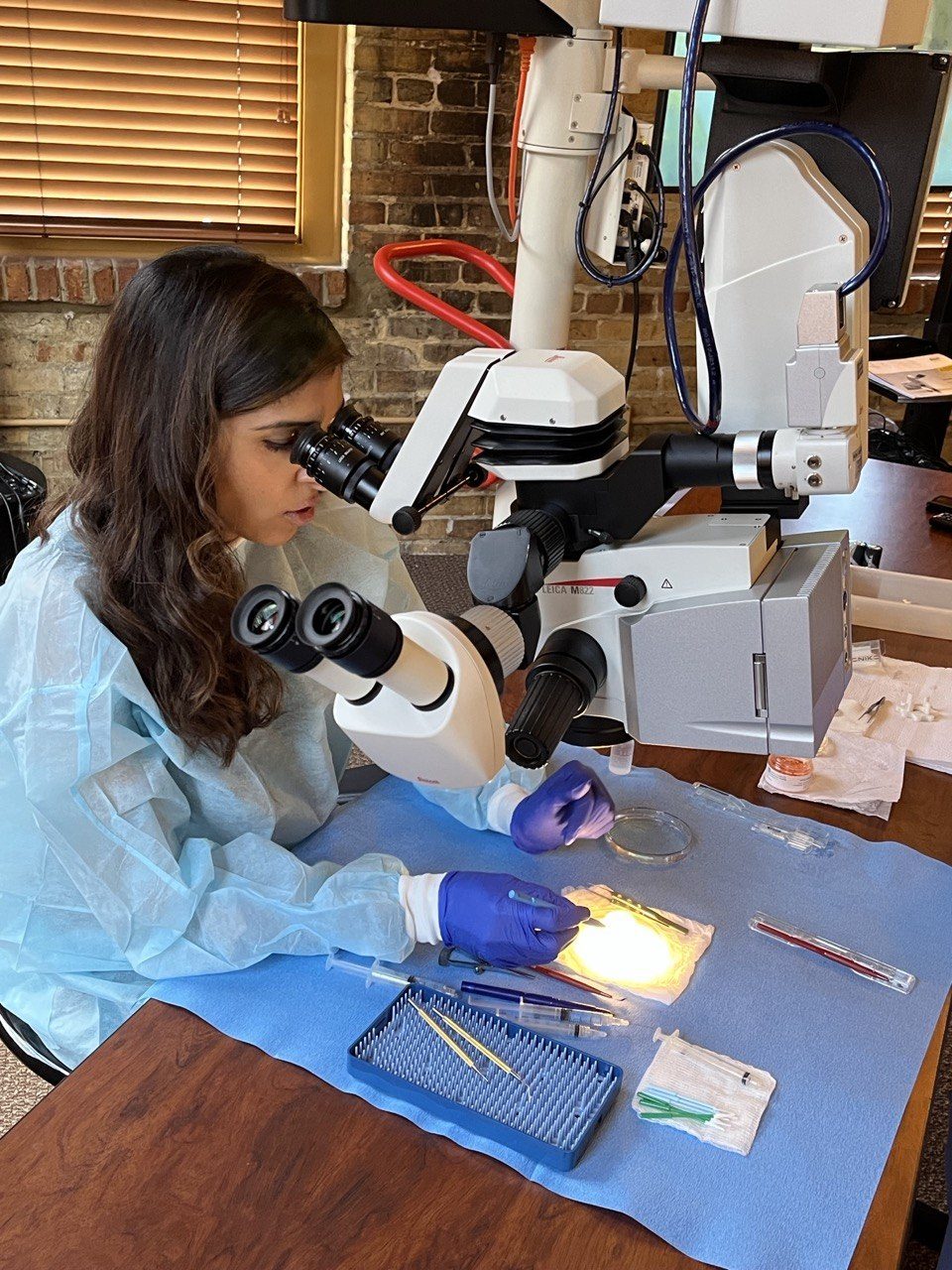
I'm also deeply involved in expanding access to corneal transplants around the world. You can read about that on my Global Outreach page.
Related: Keratoconus · Dry Eye
Want to see me? Visit Where to Find Me for where I currently see patients.
This page shares general information, not personal medical advice. Your own eye doctor can tell you which options are right for you.